Customer advocacy is the moment a satisfied customer turns into a vocal promoter of your brand on social media, in peer conversations, and in public reviews. Social listening is what makes it scalable: by monitoring conversations across Reddit, Twitter / X, LinkedIn, YouTube, Quora, and 30+ other platforms, you can identify your brand advocates in real time, engage them while the conversation is hot, and turn passive happy customers into active ambassadors. This guide walks through how to use social listening to find, nurture, and measure customer advocacy in B2B, with concrete tactics and the metrics that prove it works.
Understand Customer Advocacy
The Essence of Customer Advocacy
Customer advocacy is an evolved form of customer loyalty where customers actively promote a brand to others. This phenomenon is rooted in genuine satisfaction and a deep sense of connection with the brand's values and offerings. Advocates are not just repeat buyers; they are your unpaid marketers, your defenders in times of crisis, and most importantly, your bridge to new audiences.
The Impact of Customer Feedback
Customer feedback found its megaphone through social media. A single tweet, review, or blog post from a customer can significantly influence public perception of your brand.
Positive feedback can bolster your brand's reputation, while negative feedback, if not addressed promptly, can tarnish it just as quickly. Herein lies the power of customer advocacy -- an authentic narrative about your brand told by those who have experienced it firsthand.
The Importance for Brands
The transition from a satisfied customer to a vocal advocate is a journey filled with opportunities for brands. Advocates help in reducing marketing costs by offering organic endorsements that are often more effective than traditional advertising. Moreover, they provide invaluable insights into what works and what doesn't, acting as a compass for brand innovation and improvement.
The Basics of Social Listening
What is Social Listening?
Social listening is the process of identifying and assessing what is being said about a company, individual, product, or brand online. Unlike social monitoring, which tracks only metrics like mentions, shares, and comments, social listening dives deeper. It seeks to understand the mood, opinions, and trends behind the data, enabling brands to glean insights that can inform strategy, product development, and customer engagement practices. For a full walkthrough of the discipline, see our guide on what social listening is.
| Approach | Focus | Best for advocacy when you want to |
|---|---|---|
| Social monitoring | Counts mentions, shares, and comments | Track raw volume and spot mention spikes |
| Social listening | Sentiment, mood, and intent behind mentions | Find satisfied customers ready to advocate |
| Brand monitoring | Reputation, PR risk, and competitor moves | Catch issues early and protect reputation |
| Sentiment analysis | Scores each mention positive or negative | Surface the most positive advocate mentions |
Tools and Techniques
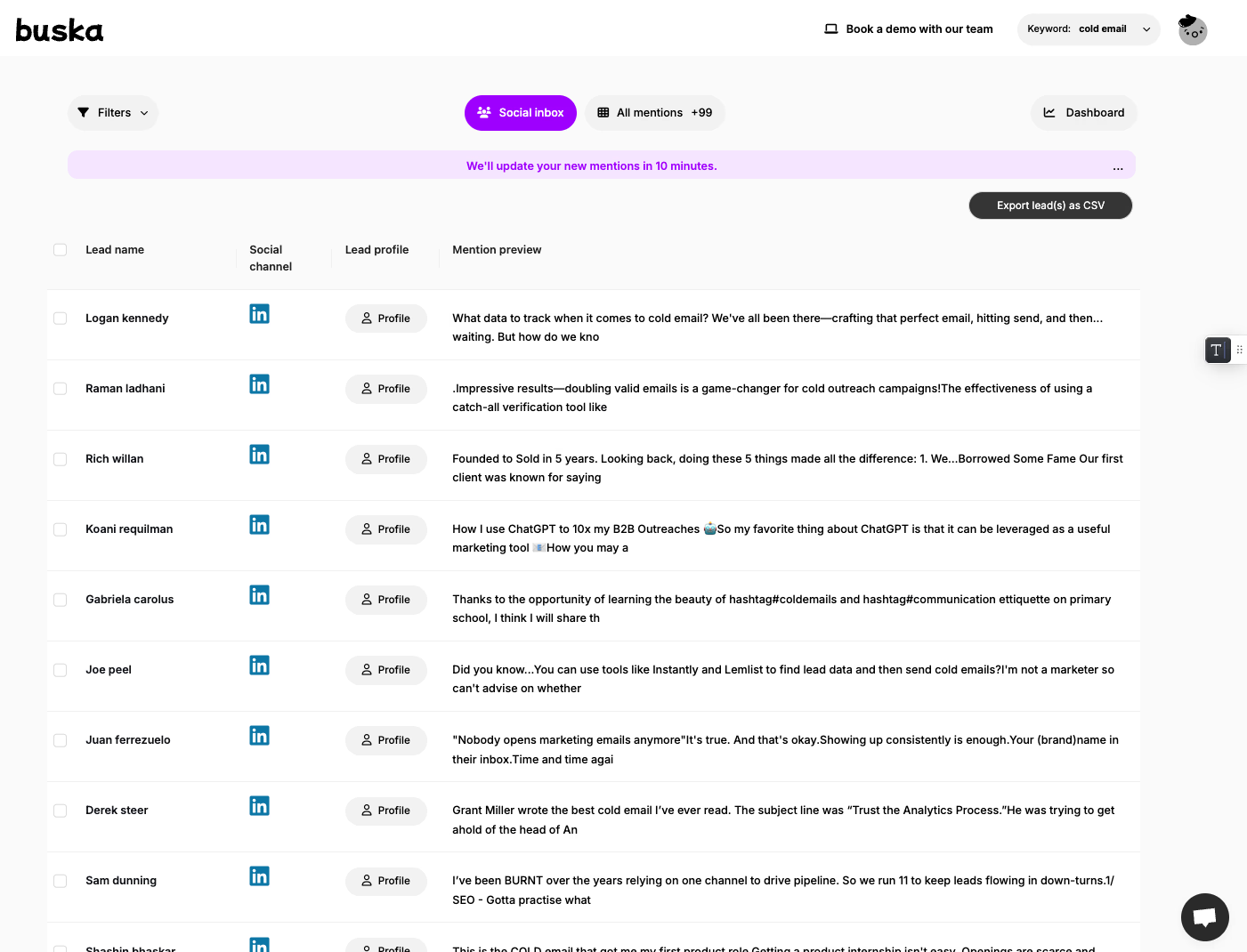
Several tools facilitate effective social media listening, such as Buska. They offer a range of functionalities, including keyword tracking, sentiment analysis, and graphs which can help marketers navigate the numerous online conversations.
A successful social media listening strategy combines the use of these tools with human analysis. AI and algorithms can crunch numbers and identify patterns, but human intuition is crucial for interpreting context, nuance, and emotion in online conversations.
Leverage Social Listening for Customer Advocacy
Social listening can transform passive listeners into active participants in your brand's story. Here's how:
Identify Brand Advocates
By monitoring conversations about your brand, you can identify satisfied customers who are already sharing positive experiences online. Engage with these individuals and acknowledge their support to encourage them to continue advocating for your brand. Tools that track mentions and sentiment like Buska can help pinpoint these potential advocates.
Improve Product/Service Based on Feedback
Social listening offers unfiltered access to customers' thoughts and opinions. Pay attention to recurring feedback themes, and make informed decisions about product improvements or new features. This not only enhances the product but also shows customers that their opinions are valued, creating a deeper connection with the brand.
Engaging in Real-Time
The immediacy of social media provides a unique opportunity for real-time engagement. With tools like Buska, you can respond promptly to questions, concerns, and compliments and make customers feel heard and valued.
Moreover, real-time engagement can also involve participating in broader conversations within your industry, not just those directly mentioning your brand. By providing value and insight in these discussions, you position your brand as a leader and a trusted source of information, further building advocacy. By strategically employing social listening, brands can cultivate a loyal community of advocates who feel connected to and valued by the brand.
Convert Feedback into Advocacy
Turn customer feedback into advocacy through listening, understanding, and acting. Make this conversion a systematic part of your brand's approach.
Acknowledge and Appreciate
The first step in converting feedback into advocacy is acknowledging every piece of feedback, positive or negative. This recognition should be public whenever possible, showing your audience that you value their input. Personalized thank-you messages or shoutouts to customers who leave positive feedback can make them feel special and deepen their loyalty.
Address Negative Feedback Head-On
Negative feedback is inevitable, but it's also an opportunity. Addressing complaints and criticisms promptly and effectively can turn detractors into advocates. Use social listening tools like Buska to identify negative mentions quickly, the same way you would for brand monitoring.
Publicly engage with unhappy customers, apologize for their negative experiences, and offer solutions. It will resolve individual issues but also demonstrate to your wider audience that you're committed to customer satisfaction.
Leverage Feedback for Storytelling
Use the feedback you receive as a basis for storytelling. Share stories about how customer input has shaped your product or service, highlighting the role of your community in your brand's journey. This not only validates the importance of feedback but also encourages more customers to share their thoughts, knowing they could influence future decisions.
Create a Feedback Loop
Establish a system where customer feedback directly influences product development and service improvements. Share back with your community how their feedback has been implemented. This transparency creates a sense of ownership among your customers, encouraging them to advocate for your brand as they see their suggestions come to life.
Measure the Impact of Social Listening on Customer Advocacy
To ensure your efforts in social media listening and customer advocacy are effective, it's crucial to measure their impact. Here are key metrics and approaches to consider:
Net Promoter Score (NPS)
The NPS measures customer willingness to recommend your brand on a scale from -100 to 100. It's a direct indicator of customer advocacy levels. Tracking changes in your NPS can help gauge the impact of your social media listening strategies over time.
Engagement Rates
Monitor engagement rates on posts that resulted from customer feedback or involve customer stories. High engagement on these posts can indicate strong customer advocacy, as it reflects a community actively interacting with and supporting your brand.
Customer Lifetime Value (CLV)
Customers who transition into advocates often have a higher CLV, as they not only continue purchasing but also bring in new customers through their endorsements. Analyzing CLV before and after implementing targeted advocacy strategies can provide insight into their effectiveness.
Sentiment Analysis
Use social listening tools like Buska to track sentiment analysis over time. An increase in positive sentiment and a decrease in negative sentiment can indicate successful advocacy building. This can also help identify areas for improvement or potential advocates.
By effectively employing social media listening to nurture customer advocacy, brands can create a loyal community that actively supports and promotes their products or services. This approach not only enhances brand reputation but also drives growth through the most authentic and powerful form of marketing: word-of-mouth. Measuring the impact of these efforts ensures that your strategies are effective and continue to evolve with your audience's needs.
Conclusion
Social listening transcends traditional monitoring by allowing brands to engage with their audience on a deeper level, turning everyday interactions into meaningful relationships. By implementing the strategies outlined -- acknowledging feedback, addressing concerns, leveraging customer stories, and creating a feedback loop -- you can increase customer advocacy with social listening. Measure the impact of these efforts through metrics to provide tangible evidence of the value of social listening.
Start listening to your customers and build brand advocates
Start free trial